

Most bonus complaints I hear come down to one thing: people clicked “Accept” without a playthrough plan. You don’t need insider tricks; you need a checklist that exposes hidden costs, sets realistic expectations, and protects your bankroll. This article gives you a concrete method to evaluate any welcome offer, decide if it’s worth your time, and clear it with fewer surprises.
Start Where It Hurts: The Terms That Actually Matter
Forget the banner headline. Your decision should hinge on these specifics, in this order:
- Bonus Type: Non-sticky (a.k.a. parachute) vs. sticky. Non-sticky lets you withdraw cash winnings before you touch the bonus; if you switch to the bonus, then wagering starts. Sticky means your bonus is always part of your balance and usually can’t be withdrawn itself.
- Wagering Multiple: 25x–40x bonus is common. 35x–50x bonus+deposit is expensive. Multiply this number by the base (bonus or bonus+deposit) to get your total required handle.
- Game Weighting: Slots might be 100%, but certain titles can be reduced to 10% or excluded entirely. Table games frequently contribute 0%–10% and may extend clearing time far beyond your patience.
- Max Bet During Wagering: Often capped at $3–$5 or 10% of the bonus. Exceeding it can void winnings. This is one of the most common and painful gotchas.
- Time Limit: 7–30 days. Combine this with max bet and bankroll to see if you can realistically finish.
- Bonus Cap and Withdrawal Limits: Some offers cap winnings from the bonus (e.g., 10x bonus). Others cap daily or monthly withdrawals. Small caps turn big playthroughs into busywork.
- Payment Method Exclusions: Certain e-wallets or cryptocurrencies may disqualify you from the bonus. Don’t learn this after you deposit.
- Game Exclusions: Progressive jackpots, low-house-edge table games, and some high-RTP slots are often excluded. Verify your chosen titles aren’t on the blacklist.
The Math That Saves You Time (and Money)
Evaluate expected cost before you spin. You don’t need a spreadsheet—basic arithmetic is enough.
- Total wagering = wagering multiple × base (bonus or bonus+deposit).
- Weighted house edge = your game’s house edge × its contribution percentage.
- Expected wagering cost ≈ total wagering × weighted house edge.
Break-even happens when the bonus value roughly matches the expected cost. If the expected cost is higher, you’re paying to clear the bonus. That can still be fine for entertainment, but it’s not value.
Two Fast Scenarios
| Offer | Key Terms | Back-of-Envelope Outcome |
|---|---|---|
| 100% up to $200, 35x bonus, slots 100%, RTP ~96.2% |
Bonus = $200 Total wagering = 35 × $200 = $7,000 House edge ~3.8% (100% contribution) |
Expected cost ≈ $7,000 × 0.038 = $266. Bonus value is $200. Likely –EV unless you find higher RTP or lower variance to reduce risk (still –EV on expectation, but variance may help short-term). |
| 50% up to $100, 20x bonus, slots 100%, RTP ~97% |
Bonus = $100 Total wagering = 20 × $100 = $2,000 House edge ~3% (100% contribution) |
Expected cost ≈ $2,000 × 0.03 = $60. Bonus value of $100 now looks better. Lower wagering volumes are easier to finish without mistakes. |
None of this guarantees profit. It simply clarifies when clearing is less punishing. The moment you see the expected cost steamrolling the bonus amount, walk away.
Pick the Right Games for Clearing
Your aim is to shrink variance and house edge while respecting contribution rules:
- Game choice: High-RTP slots that still contribute 100% are ideal. Avoid titles listed with reduced weighting (10%–50%) or exclusions.
- Volatility: Lower variance helps you survive the journey. Many modern slots are very volatile; if the paytable reads like a roller coaster, think twice for wagering.
- Bet size discipline: Always below the max-bet rule in the terms. If the cap is $5 and you bet $6 even by mistake, some operators void the entire win.
- RTP checks: Some sites run lower RTP settings than the default vendor version. If the help page shows “RTP 94%” for a slot you expected at 96%, adjust your expected cost upward.
Bankroll Structure: Don’t Bleed Out Before You Clear
Getting the math right means nothing if variance wipes you out halfway through wagering. Build around survival:
- Size the bankroll: A comfortable rule is keeping single-spin bets at roughly 0.5%–1% of your total clearing bankroll. If you have $400 to spend on an offer, aim at $2–$4 spins unless terms force a lower cap.
- Session stop-loss: Set a drop point (e.g., 25% of the session bankroll) where you pause and reassess rather than chasing losses into mistakes.
- Time management: If the bonus expires in 7 days and your calculated wagering needs 5,000 spins, divide that across sessions intentionally. Fatigue triggers misclicks and rule violations.
- Reality checks: Enable on-site reminders every 30 minutes or hourly. It’s a nudge to verify you’re still inside the plan.
KYC, Payments, and Withdrawal Friction
Winnings don’t matter if you can’t cash out smoothly. Before depositing:
- Pre-verify: Upload ID, proof of address, and payment method screenshots before you start wagering. Clear images, matching names and addresses.
- Payout timelines: Check stated processing windows and whether they offer withdrawal locks (prevents reversal temptation) and manual flushing (pushes pending withdrawals straight to processing).
- Transaction limits and fees: Daily/monthly maximums, per-withdrawal fees, currency conversion spreads, and third-party processor fees all bite into value.
- Payment method eligibility: Some deposits from e-wallets or cards may void the bonus; others are fine but slow for withdrawals. Choose compatibility first, speed second.
Licensing, Dispute Paths, and Fairness Signals
Licenses aren’t created equal. Stronger regulators provide clearer complaint routes and stricter operational rules.
- Regulators to recognize: UKGC (UK), MGA (Malta), SGA (Sweden), AGCO/iGO (Ontario), and a handful of EU national licenses. These jurisdictions typically enforce fair T&Cs and safer gambling frameworks.
- Testing labs: Look for eCOGRA, GLI, or iTech Labs certificates. They don’t guarantee your experience, but they indicate audited RNGs and published RTPs.
- Transparency: Clear, readable terms, unambiguous bonus pages, and accessible complaint escalation routes are green flags. If you can’t find them, that’s its own answer.
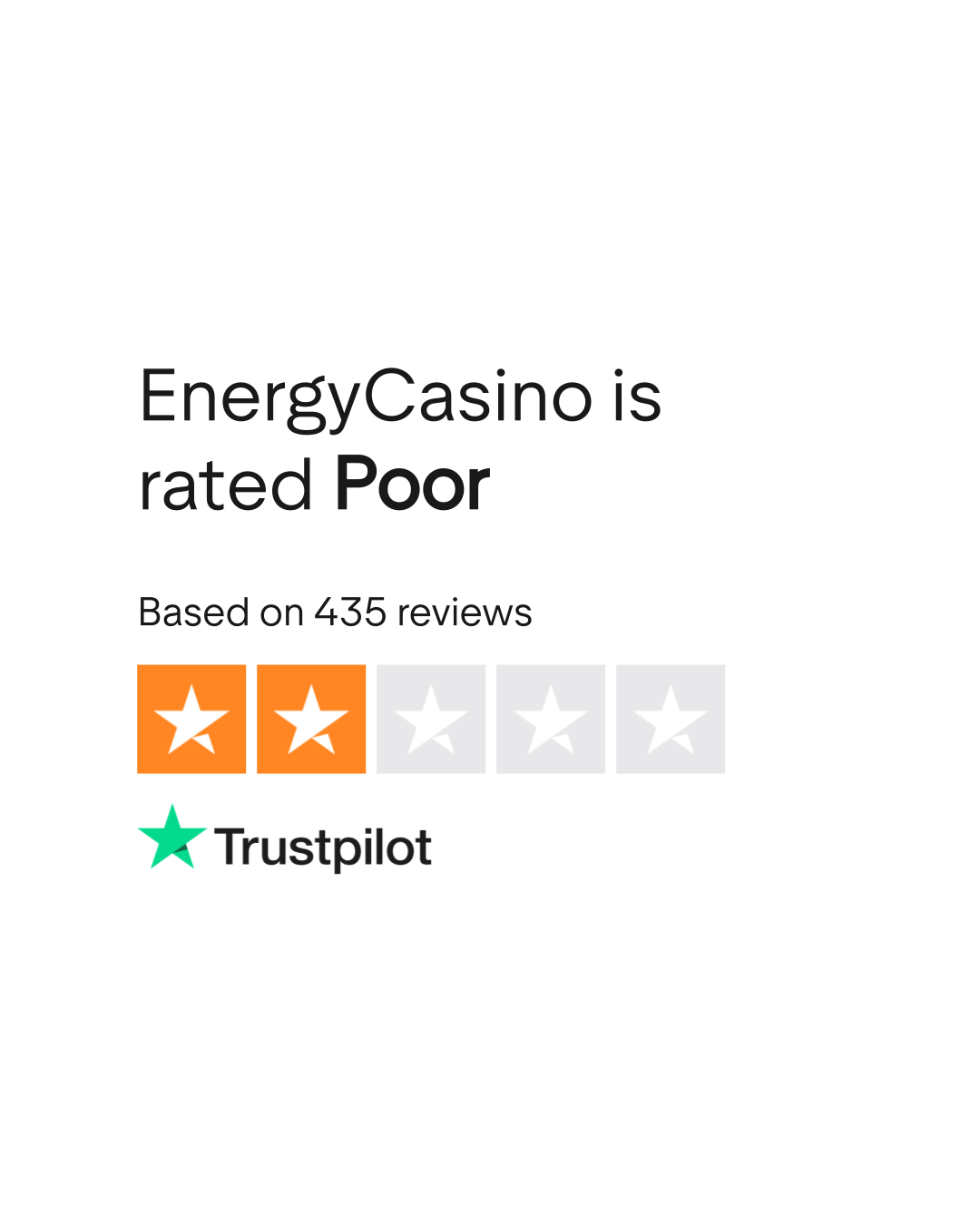
Reputation Snapshot (A Simple Visual Cue)
A quick glance at public rating widgets won’t replace research, but it can hint at patterns. If recent reviews repeatedly mention locked withdrawals or confusing bonus clawbacks, dig deeper.
Responsible Gambling Tools You Should Actually Use
Features that keep you in control aren’t just PR—they’re guardrails for bonus clearing:
- Deposit and loss limits: Set them before you accept the offer. Your plan should fit inside those limits, not the other way around.
- Time-outs and reality checks: Schedule breaks and daily session caps. Completion anxiety leads to poor choices near the deadline.
- Self-exclusion and blocking: If your plan slides into chasing, step away. A bonus isn’t worth your mental bandwidth.
30-Minute Due Diligence: A Simple, Repeatable Checklist
- Open the bonus page. Screenshot the headline and the full T&Cs—especially wagering, game weighting, and max bet rules.
- Identify bonus type (sticky vs. non-sticky) in one sentence. If it’s unclear, ask support via chat and save the transcript.
- Calculate total wagering. Example: 30x bonus on $150 bonus = $4,500 handle.
- Choose two eligible slots with known RTP and moderate volatility. Confirm site-specific RTPs in the game info panel.
- Estimate expected cost: total wagering × house edge × contribution. Compare to bonus value.
- Map session plan: bet size, number of spins per session, total sessions, and a strict stop-loss per session.
- KYC pre-check: upload documents, confirm withdrawal methods, and verify max bet enforcement in the cashier/game UI.
- Scan recent user feedback for withdrawal speed and bonus enforcement consistency.
- Compare at least two offers—one with lower wagering and one with higher—to anchor your expectations. For a quick side-by-side, check https://energycasinos.bet/.
- Only proceed if the numbers, time window, and friction profile make sense. If anything feels murky, skip. There will always be another offer.
Watch: Quick Walkthrough Structure
If you prefer a guided approach, this outline mirrors the process above—terms first, math second, execution last.
Common Mistakes That Void Winnings
- Betting over the max: Even once. Enable in-game reminders or set your bet size and lock it.
- Playing excluded titles: Some popular slots sit on exclusion lists. Check every time you switch games.
- Depositing via ineligible methods: The bonus might not apply. Confirm before you fund the account.
- Ignoring time limits: Rushing near the deadline causes overbetting and errors.
- Mixing currencies or wallets mid-clear: Can confuse eligibility or slow KYC.
- Canceling withdrawals repeatedly: It’s where many winning runs die. Use withdrawal lock if available.
When to Skip an Offer
Say “no” if any of these are true:
- Wagering uses bonus+deposit with 40x+ and your game choices are weighted under 100%.
- Max bet is so low that finishing requires unrealistic time or number of spins.
- RTPs on eligible games are clearly reduced compared to standard vendor versions.
- Withdrawal caps reduce your upside to the point clearing becomes a grind.
- Support can’t or won’t answer specific questions about terms in writing.
Your Takeaway: Make Bonuses Work for You, Not the Other Way Around
The best bonus is the one you can clear without breaking your own rules. Start with the terms that matter, run a two-minute expected-cost check, pick stable games with full contribution, and lock your sessions with strict bet sizing and time controls. Verify payout logistics before you spin, and don’t get sentimental—if an offer doesn’t pencil out, skip it. There’s always another promotion, but there’s only one of your bankroll.
Build the habit once and every new offer becomes a 30-minute decision, not a gamble on the unknown.